For decades, industrial cooling was treated as a seasonal necessity—a solution brought in when temperatures became uncomfortable and packed away when the weather changed.
Today, that mindset is changing.
As manufacturing becomes more advanced, facilities grow larger, and operations run for longer hours, industrial cooling has become an integral part of operational planning rather than a temporary response to summer heat. Whether it’s a manufacturing plant, warehouse, workshop, logistics hub, or large commercial facility, the role of cooling has expanded far beyond simply lowering the temperature.
The question businesses need to ask is no longer “Do we need cooling?”
It’s “Is our facility equipped with the right cooling strategy for today’s operational demands?”
The Industrial Workplace Has Changed
Modern industrial environments are vastly different from those of a decade ago.
Production lines are faster. Equipment generates more heat. Warehouses operate around the clock. Facilities have expanded significantly in size, and workforce expectations regarding workplace conditions have evolved.
As these environments become more dynamic, maintaining a comfortable and well-ventilated workspace is no longer just about convenience—it’s about supporting uninterrupted operations.
Facilities today require cooling solutions that can keep pace with continuous activity rather than simply provide occasional relief.
Industrial Cooling Is No Longer Just About Temperature
One of the biggest shifts in industrial cooling has been the focus on air movement rather than temperature alone.
In large open spaces, cooling performance depends on several factors working together:
- Consistent airflow across the workspace
- Effective air circulation
- Uniform air distribution
- Reliable operation throughout extended working hours
- Cooling systems designed for large-volume environments
Without proper air movement, certain areas remain significantly warmer than others, creating inconsistent working conditions across the facility.
Modern industrial air coolers are engineered to deliver high-volume airflow that reaches larger areas more effectively, helping maintain a more comfortable working environment across the production floor.
The Shift from Seasonal Equipment to Operational Infrastructure
Businesses increasingly view industrial cooling as part of their operational infrastructure rather than temporary equipment.
Just as lighting, ventilation, compressed air systems, and material handling equipment are considered essential to daily operations, cooling has become another critical component of facility planning.
This shift reflects a broader understanding that environmental conditions directly influence how efficiently a facility functions.
Cooling is no longer installed simply because summer has arrived.
It is planned because consistent operations require consistent environmental conditions.
What Defines a Modern Industrial Cooling Solution?
Selecting an industrial air cooler today involves much more than choosing a larger water tank or higher airflow rating.
Decision-makers increasingly evaluate factors such as:
Continuous Performance
Industrial facilities often operate across multiple shifts, making continuous-duty performance an important consideration.
Air Delivery Capacity
High air delivery ensures sufficient airflow reaches larger workspaces, reducing stagnant air zones.
Wide Air Throw
Large production areas require cooling systems capable of distributing air over greater distances rather than concentrating it in one location.
Durability
Industrial environments demand equipment built to withstand dust, continuous use, and demanding operating conditions.
Energy Efficiency
With energy costs becoming an important operational concern, businesses seek cooling solutions that balance performance with efficient power consumption.
Ease of Mobility
As production layouts change, facilities benefit from cooling systems that can be repositioned quickly without complex installation requirements.
These considerations reflect how industrial cooling has matured from a simple appliance purchase into an infrastructure investment.
Cooling Requirements Differ Across Facilities
No two industrial environments face identical cooling challenges.
For example:
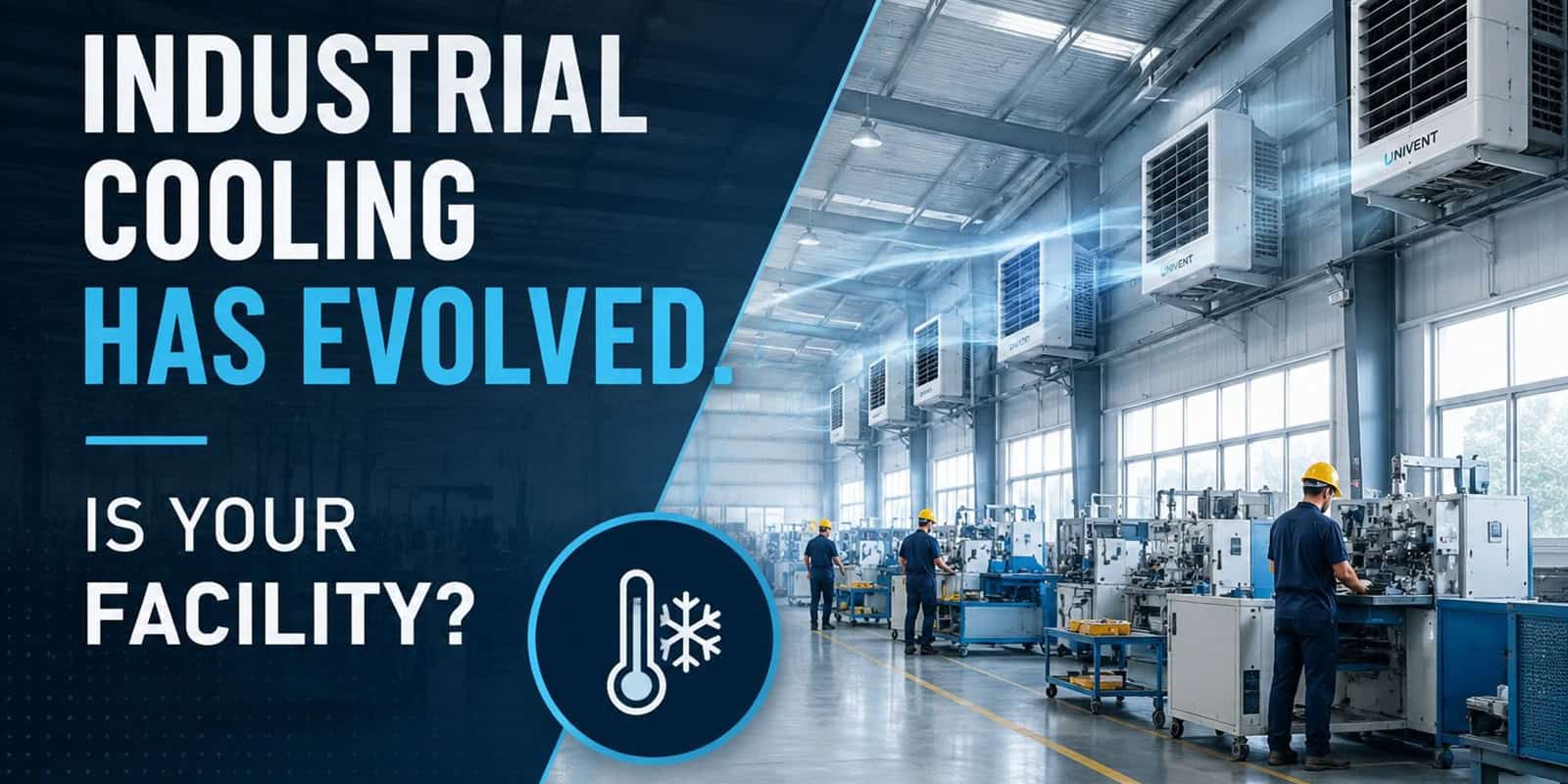
- Manufacturing plants often require cooling across active production floors.
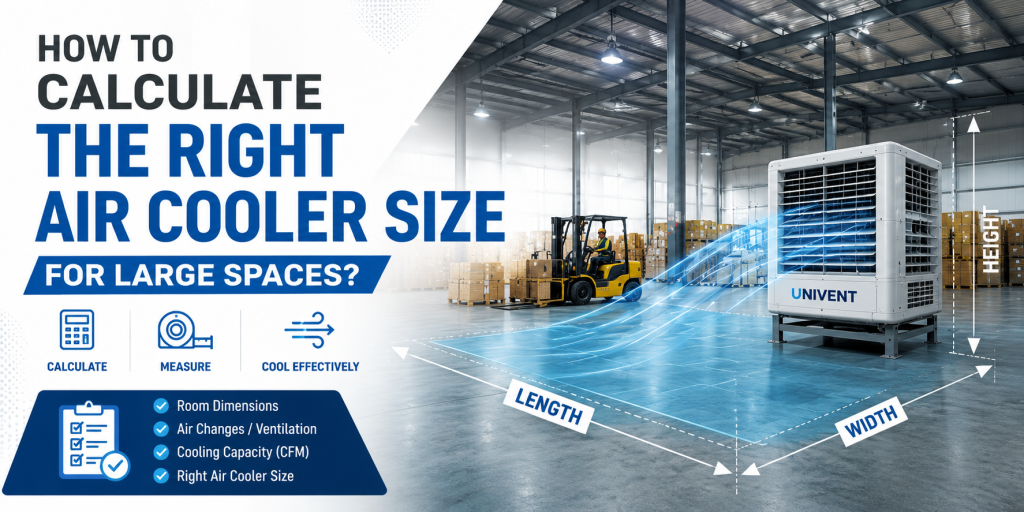
- Warehouses focus on maintaining comfortable working conditions across expansive storage areas.
- Workshops need targeted cooling where machinery and personnel are concentrated.
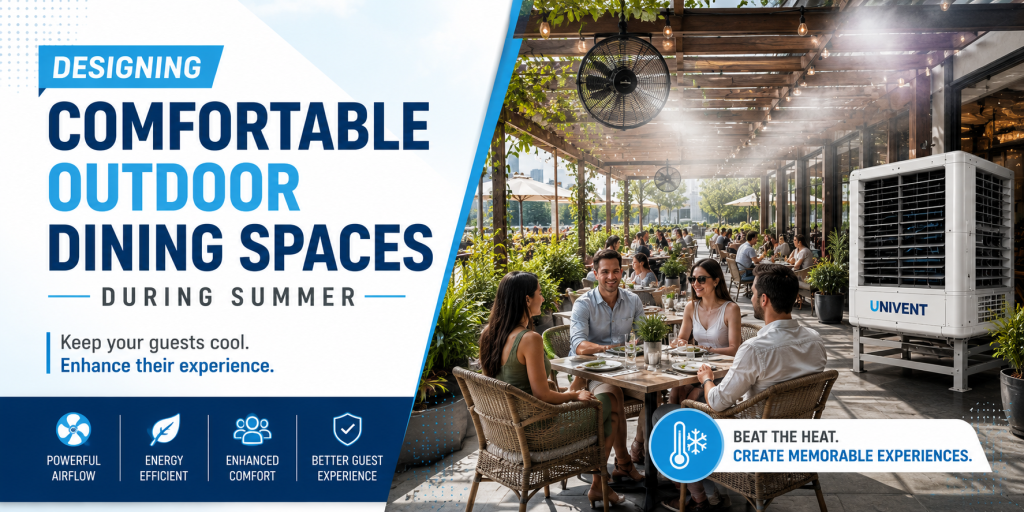
- Commercial facilities must balance cooling performance with customer comfort and aesthetics.
Understanding these differences helps businesses choose solutions that align with the unique demands of their operations rather than adopting a one-size-fits-all approach.
Preparing for Tomorrow’s Industrial Environment
Climate patterns are changing. Facilities are becoming more sophisticated. Businesses are investing in smarter infrastructure.
As a result, industrial cooling is expected to continue evolving—not only in terms of performance but also through improved engineering, energy efficiency, design integration, and operational reliability.
Facilities that proactively evaluate their cooling infrastructure today will be better positioned to support future operational demands without disruption.
Is Your Facility Ready for the Next Generation of Industrial Cooling?
Industrial cooling has come a long way from being a seasonal appliance.
Today, it is an essential part of creating productive, efficient, and resilient industrial environments.
Whether you’re expanding your manufacturing facility, upgrading a warehouse, or planning a new commercial space, reviewing your cooling strategy can be just as important as evaluating production equipment or facility layout. At UNIVENT, we believe cooling should do more than deliver airflow. It should combine industrial-grade performance, long-term reliability, and thoughtful design to complement the spaces where businesses operate every day. That’s why our cooling solutions are engineered to meet the evolving needs of modern industrial and commercial facilities—where performance and durability matter just as much as comfort.